Value Stream Delivery Platforms: Next-Generation DevOps
Understanding Value Stream Delivery Platforms as the next generation of DevOps tooling.
Overview
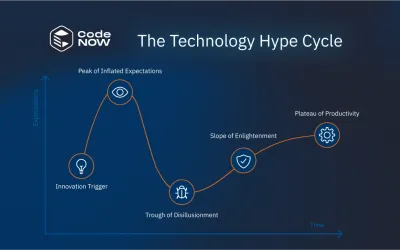
According to Gartner's Hype Cycle for Software Engineering (2021), DevOps Value Stream Delivery Platforms (VSDPs) are projected to achieve mainstream adoption within 2-5 years, with current market penetration at 5-20% of the target audience.
What Are DevOps VSDPs?
DevOps Value Stream Delivery Platforms represent integrated software solutions that consolidate essential capabilities for faster, more reliable, and secure digital product delivery. Rather than relying on multiple disconnected tools, these platforms provide end-to-end visibility and optimization of the entire delivery pipeline.
Key Components
A VSDP breaks down into three conceptual parts:
- DevOps: Unifies people, processes, and technology to deliver customer value faster by dismantling organizational silos
- Value Stream: Sequences of actions that create customer value; optimization removes non-value-adding steps and improves flow efficiency
- Platform: Integrates diverse capabilities into a cohesive system supporting an overarching objective
Core Capabilities
Standard VSDPs typically include:
- Source Control Management (SCM)
- Continuous Integration/Continuous Delivery (CI/CD)
- Automated testing and rollback functionality
- Infrastructure as Code (IaC)
- Configuration management
- Continuous monitoring and observability
Business Benefits
Operational Gains
Organizations adopting VSDPs realize:
- Reduced lead times for feature delivery
- Increased flow efficiency through standardization and automation
- Earlier market entry for products and services
- Faster incident detection and recovery
- Higher customer satisfaction metrics
Strategic Advantage
According to CodeNOW's observations, teams using these platforms redirect time previously spent on infrastructure management toward high-value initiatives. Development teams can focus on core business challenges rather than managing deployment complexities.
Market Trajectory
Industry analysts predict substantial adoption growth. Gartner forecasts "40% of organizations will switch from point solutions to DevOps VSDPs by 2023, versus under 10% in 2020."
The COVID-19 pandemic accelerated digital transformation timelines significantly, with organizations compressing multi-year initiatives into months.
Why Not Build In-House?
CodeNOW argues that developing internal platforms requires:
- Sustained 5+ years of research and iteration
- Significant capital investment
- Specialized talent recruitment and retention
- Continuous technology updates and maintenance
- Risk of vendor lock-in
Platform as a Service Model
Rather than building proprietary solutions, organizations increasingly adopt VSDP providers offering PaaS models. This approach provides:
- Access to proven DevOps best practices without years of R&D
- Reduced capital expenditure
- Simplified team onboarding
- Vendor-neutral technology integration
- Scalable infrastructure without management overhead
Conclusion
VSDPs represent the evolution of DevOps practices, enabling organizations at any digital maturity stage to implement enterprise-grade delivery capabilities. As adoption accelerates, platforms addressing value stream optimization become increasingly central to competitive advantage in software delivery.
Written by CodeNOW